
In a world where everyone’s got an app for everything, bubble apps are the quirky, fun-loving cousins that bring a fresh twist to the tech party. They’re not just your average apps; they’re like a magical toolkit that lets anyone create their own digital dreams without needing a PhD in computer science. Imagine crafting your own app while sipping coffee in your pajamas—sounds pretty great, right?
What Are Bubble Apps?
Bubble apps represent a category of no-code development platforms. They enable users to design, build, and launch web applications without needing coding skills. Individuals can create customized solutions ranging from basic prototypes to fully operational applications.
Bubble apps use visual programming interfaces, allowing users to manipulate elements through drag-and-drop functionality. Users can integrate various features like databases, APIs, and payment systems seamlessly. This functionality makes bubble apps suitable for entrepreneurs, startups, and companies seeking to innovate quickly.
Bubble apps facilitate rapid development cycles. Users can iterate and modify their applications in real-time, significantly reducing time-to-market. This flexibility invites feedback during the development phase, allowing for adjustments before final deployment.
Many bubble apps provide extensive templates and plugins. Users can enhance their projects by leveraging pre-built components for common functionality. Templates often cover various industries, ensuring relevant design options that align with specific user needs.
Cost-effective solutions characterize bubble apps as well. They cater to budgets various companies have, offering subscription-based pricing models that can accommodate users at different stages of their ventures. Users need not invest heavily in technical teams when utilizing bubble apps.
Overall, bubble apps empower users to transform their ideas into functional applications. The accessible design tools and supportive community further encourage experimentation and innovation, making it an appealing choice for non-technical users.
Features of Bubble Apps
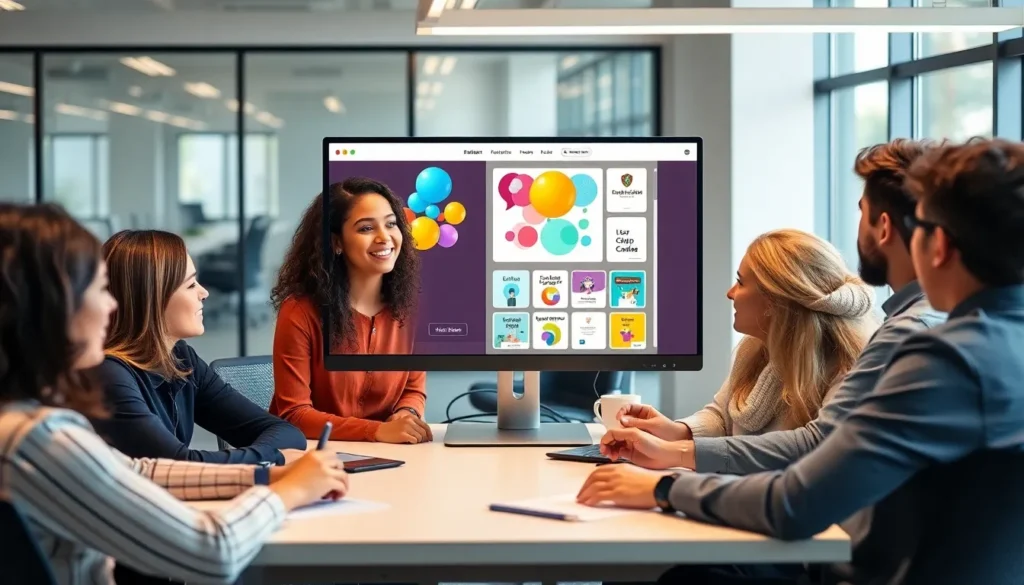
Bubble apps offer several distinctive features that enhance the user experience and streamline the application development process.
Drag-and-Drop Interface
Drag-and-drop interfaces define bubble apps, making them accessible to users without coding expertise. Users can easily place elements like buttons, text fields, and images onto their canvas. This simplicity encourages creativity, allowing for the development of unique app layouts. Changes occur in real-time, enabling immediate feedback during the design process. Users can experiment with various placements and styles, ensuring that their applications meet specific needs and preferences. This feature significantly reduces the learning curve associated with traditional coding, making it easier for individuals to bring their ideas to life.
Customizable Templates
Customizable templates in bubble apps provide a framework for users to build their applications efficiently. These templates cover diverse industries, such as e-commerce, healthcare, and education, offering pre-designed components that adhere to best practices. Users can modify colors, fonts, and layouts to match their branding or personal style. This adaptability accelerates development time by allowing users to start with a solid foundation rather than building from scratch. Customizable templates streamline workflows, enabling users to create sophisticated applications that meet their specific functionality needs while maintaining a professional appearance.
Benefits of Using Bubble Apps
Bubble apps provide various advantages that enhance application development for users at all skill levels. These benefits include cost-effectiveness and rapid development capabilities.
Cost-Effectiveness
Bubble apps offer cost-effective solutions for developing applications without significant financial investments. Users can access subscription-based pricing models tailored to different budgets, eliminating the necessity for expensive technical teams. Implementing pre-built templates and plugins reduces development time and associated costs, allowing users to allocate resources more effectively. These apps enable small businesses and startups to launch products with minimal financial risk, fostering innovation in a competitive market.
Rapid Development
Bubble apps facilitate rapid development cycles, enabling users to create and launch applications quickly. The drag-and-drop interface supports real-time modifications, allowing users to implement changes instantly and maintain control over their projects. This iterative approach accelerates project timelines, making trial and error part of the design process. Users can test ideas and receive immediate feedback, further streamlining the development process. As a result, bubble apps empower users to bring their concepts to market faster, enhancing their competitiveness.
Popular Use Cases for Bubble Apps
Bubble apps serve various sectors, providing flexible solutions for users. Their ability to adapt to different needs highlights their versatility in application development.
Startups and MVPs
Startups often rely on bubble apps to create Minimum Viable Products (MVPs) quickly and efficiently. Bubble’s no-code platform allows entrepreneurs to design functional prototypes without extensive resources. Startups can launch their ideas faster, gather user feedback, and iterate based on real-world insights. The ease of making real-time modifications ensures that their products evolve according to user preferences. This flexibility not only accelerates a startup’s time-to-market but also reduces preliminary development costs significantly. By utilizing visual interfaces and pre-built components, startups focus on innovation rather than technical hurdles.
Educational Platforms
Educational institutions leverage bubble apps to develop interactive learning platforms. These apps enable educators to create engaging courses, quizzes, and resource hubs without programming knowledge. The drag-and-drop functionality allows customization of the user interface to enhance student experiences. By integrating multimedia elements, instructors foster an enriched learning environment. Bubble apps also support collaboration features, enabling teachers and students to interact seamlessly. Additionally, institutions can quickly update course material and track student progress, thus improving overall educational outcomes. This adaptability and user-friendliness make bubble apps a fantastic alternative for educational needs.
Bubble apps are revolutionizing the way individuals approach application development. By removing the barriers of traditional coding they empower users to bring their ideas to life with ease. The combination of user-friendly interfaces and customizable templates makes it possible for anyone to create sophisticated applications without breaking the bank.
As businesses and educators continue to embrace these tools the potential for innovation will only grow. The ability to quickly prototype and launch applications offers a competitive edge in today’s fast-paced market. With bubble apps the future of app development is not just accessible but also exciting and full of possibilities.