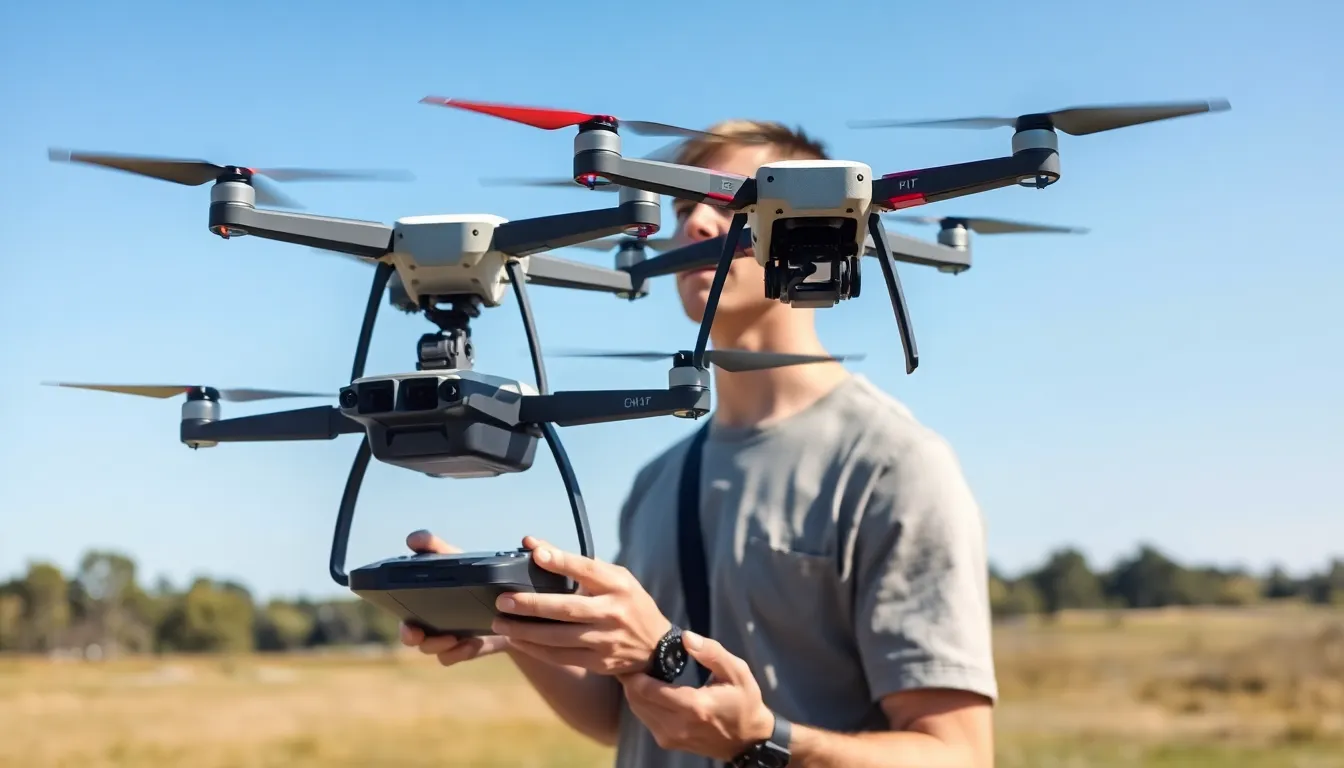

In a world where flying robots are no longer just for sci-fi movies, drone controller software is the unsung hero behind the scenes. It’s the trusty sidekick that turns a simple drone into a high-flying marvel, ready to capture breathtaking views or deliver snacks (because who doesn’t want pizza from the sky?). With the right software, anyone can become a drone pilot—no cape required.
Overview of Drone Controller Software
Drone controller software serves as the command center for operating drones effectively. This software integrates various functionalities essential for optimal drone performance, such as flight control, navigation, and camera management. By utilizing intuitive interfaces, users can easily adjust settings to match their needs.
Many software options are available, each offering unique features. Some prioritize user-friendly designs, catering to beginners without technical expertise. Others focus on advanced capabilities, appealing to professionals requiring detailed control and customization. The choice depends on the user’s level of experience and specific requirements.
Real-time data transmission is another crucial aspect of drone controller software. This allows pilots to receive immediate feedback on flight status, battery levels, and sensor information. Users can make informed decisions, enhancing safety and operational efficiency.
Compatibility with various hardware components is vital for seamless operation. Most software supports both GPS and IMU systems, ensuring accurate positioning and stability during flight. This compatibility extends across multiple drone models, promoting versatility in usage scenarios.
Drone controller software also facilitates integration with additional applications. Some enable waypoint navigation, while others allow for automated flight missions. This functionality opens new possibilities for capturing aerial footage or monitoring large areas for commercial applications.
Finally, continuous updates and support are essential in maintaining software performance. Developers often release updates to enhance features or address bugs. Users benefit from ongoing improvements, ensuring a reliable and secure flying experience.
Key Features to Consider
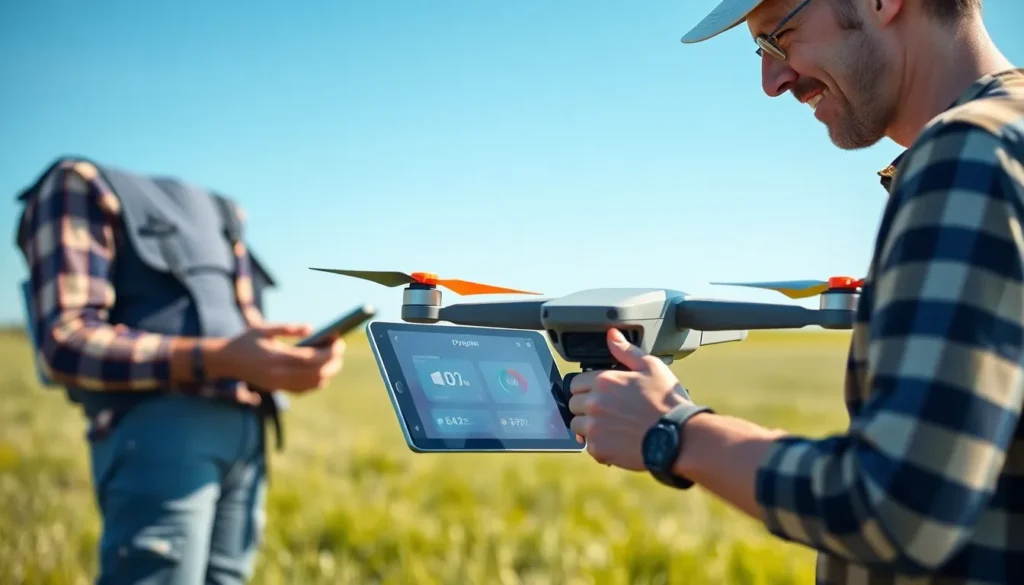
Drone controller software includes several important features that enhance the flying experience and operational capabilities. Considering these key aspects can lead to better software choices.
User Interface and Usability
User interfaces vary widely among drone software options. Intuitive designs make navigation easier for all users. A clean layout, large controls, and quick access to important features support efficient operation, especially for beginners. Tutorials and tooltips can provide additional help, ensuring users maximize the software’s potential. Furthermore, customizable settings allow pilots to tailor the interface according to their flying style.
Compatibility with Different Drones
Compatibility plays a crucial role in selecting drone controller software. Some software caters to specific drone models while others support a wide range of devices. Pilots must verify that the software works seamlessly with their drone’s hardware components, including GPS modules and cameras. This ensures essential functionalities operate smoothly and enhances the overall flying experience. Ensuring compatibility can prevent frustrations during flight and maintain reliable performance across various drone types.
Advanced Flight Modes
Advanced flight modes enhance operational capabilities and versatility. Options like waypoint navigation, follow-me mode, and orbit mode provide unique functionalities tailored to specific tasks. Waypoint navigation allows for pre-defined flight paths, helping users capture consistent aerial footage. Follow-me mode uses GPS to track moving objects, offering dynamic shots. Orbit mode enables the drone to circle a subject, creating captivating videos or images. These specialized modes enhance creativity, making the software an essential tool for professional and recreational users alike.
Popular Drone Controller Software Options
Numerous drone controller software options enhance the flying experience. These options cater to various user needs and technical preferences.
Software A
DJI GO 4 serves as a prominent choice for DJI drone owners. This software offers a user-friendly interface that simplifies flight operations. Key features include live HD video transmission and real-time flight data display. Pilots benefit from intelligent flight modes such as ActiveTrack and TapFly. These features allow users to focus on capturing high-quality aerial visuals while the software manages complex flying tasks. Regular updates ensure compatibility with the latest drone models and technologies.
Software B
Litchi stands out for its versatility and support for multiple drone brands. It features waypoint mission planning, where users can program customized flight paths for their drones. Users appreciate the ability to create detailed photo or video missions through an intuitive interface. Litchi’s VR mode enables immersive first-person views, enhancing the piloting experience. Continuous updates maintain high performance and compatibility with popular drones, making it a favored choice among hobbyists and professionals alike.
Software C
UgCS (Universal Ground Control Software) caters to advanced users requiring sophisticated flight planning features. This software supports various drone models and provides in-depth analytics for data collection. Users benefit from 2D and 3D mapping visualization tools, facilitating precise mission planning. Automated flight paths reduce pilot workload, allowing for complex operations. UgCS proves invaluable for commercial applications, such as surveying and inspection, by combining powerful tools with an easy-to-navigate interface. Regular enhancements and features maintain its relevance in the market.
Performance and Reliability
Drone controller software’s performance and reliability play vital roles in ensuring a smooth flying experience. Efficient software enhances flight stability, making it crucial for safe operations. Consistent performance under various conditions maximizes the drone’s capabilities and extends its application potential.
Key features like real-time data transmission provide immediate information regarding flight status. This feedback system enables pilots to make quick decisions, increasing safety during operations.
Compatibility with hardware components such as GPS and IMU systems directly impacts performance. Accurate data from these systems ensures optimal positioning, which is essential for precise navigation and controlled flight.
Regular software updates contribute significantly to reliability. Developers address bugs, enhance features, and improve overall performance through consistent updates, ensuring users can depend on their software in critical circumstances.
Drone controller software must adapt to various drone models without compromising reliability. Users select software that seamlessly integrates with their specific equipment to avoid operational issues.
Advanced flight modes enhance the utility of drone software, offering pilots innovative ways to operate their drones. Both waypoint navigation and follow-me modes broaden the creative possibilities, improving overall flight experiences.
Finally, user feedback shapes software development strategies. Iterative improvements based on real-world experiences lead to more reliable software, appealing to both amateur and professional drone pilots. Each aspect of performance and reliability informs user choices and enhances the operational potential of drones.
Drone controller software is essential for maximizing the potential of modern drones. It transforms basic flying devices into sophisticated tools for various applications. With features like real-time data transmission and compatibility with multiple hardware components, users can achieve enhanced safety and operational efficiency.
The variety of software options available ensures that both beginners and seasoned professionals find a solution that meets their needs. Regular updates and user feedback play a crucial role in maintaining software performance, ensuring a reliable flying experience. As technology continues to evolve, drone controller software will remain a key player in shaping the future of aerial operations and creativity.