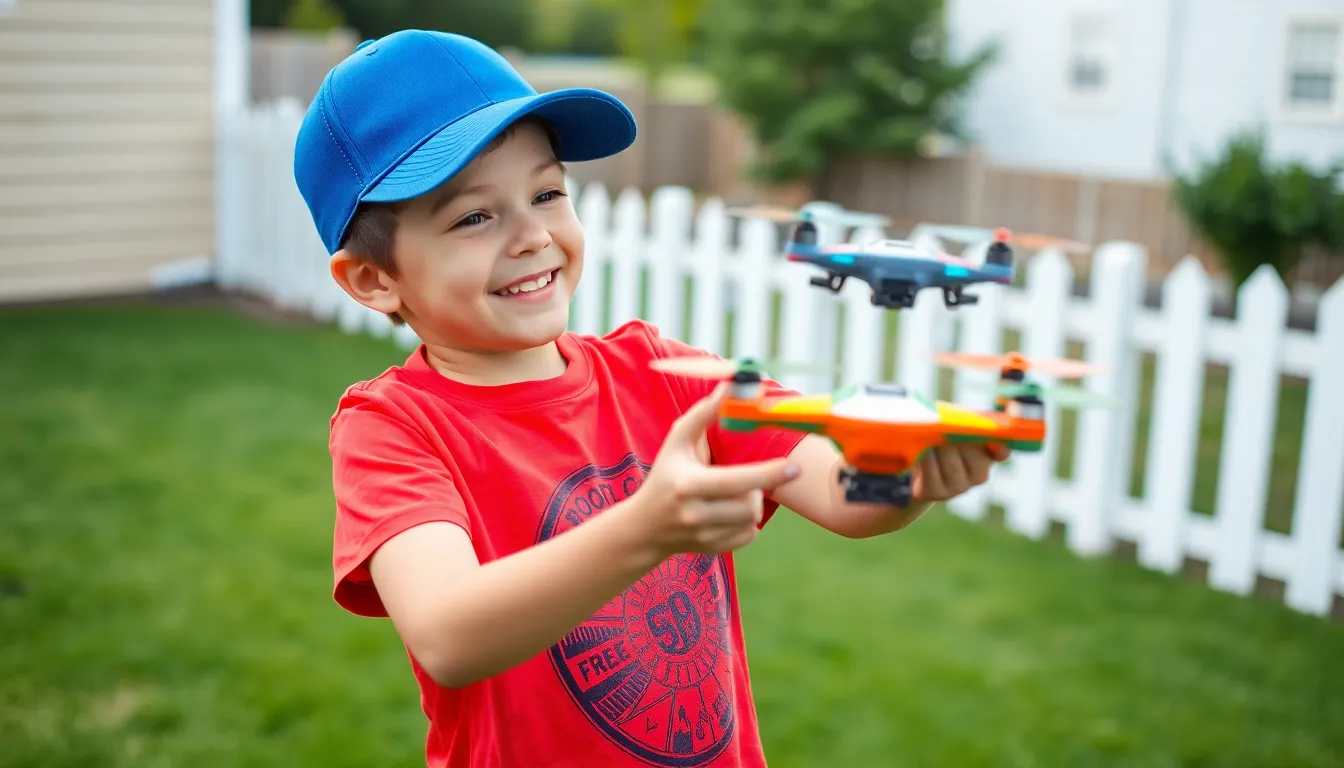

In a world where kids are glued to screens, toy drones swoop in like superheroes, ready to save playtime! These little flying wonders aren’t just for tech enthusiasts; they’re the perfect blend of fun and learning. Imagine a backyard buzzing with excitement as kids pilot their own mini aircraft, mastering the art of flight and maybe even avoiding that pesky tree!
Overview of Toy Drones
Toy drones have captured the interest of children and parents alike. These small, lightweight aircraft feature simple controls, making them accessible to novice pilots. Many models incorporate vibrant designs that appeal to younger audiences, enhancing the play experience.
Toy drones typically come with various features, such as built-in cameras, LED lights, and obstacle avoidance technology. The integration of cameras allows children to explore aerial photography and videography. These interactive elements facilitate imaginative play while encouraging exploration of basic aerodynamics and physics principles.
Common materials used in manufacturing toy drones include durable plastics and lightweight composites. Such materials contribute to the drone’s resilience, taking into account the inevitable crashes that often occur during learning. Safety regulations also play a role, as many toy drones comply with guidelines designed to ensure minimal risk for users.
Several types of toy drones exist, showcasing diverse capabilities:
- Mini Drones: Compact and portable, mini drones easily fit in a pocket, making them ideal for on-the-go fun.
- Racing Drones: Built for speed and agility, racing drones cater to children interested in competitive flying.
- Camera Drones: Featuring integrated cameras, these drones enable kids to capture aerial footage, fostering creativity.
Educational benefits extend beyond basic flying skills. Using toy drones can develop hand-eye coordination, spatial awareness, and teamwork during group activities. Parents find value in drones as tools for outdoor engagement, promoting active play.
As technology continues to advance, toy drone features become more sophisticated. Innovations like smartphone connectivity and enhanced battery life ensure that toy drones maintain their relevance in the dynamic world of children’s entertainment. These advancements provide opportunities for kids to learn and grow while enjoying flight simulation in various environments.
Advantages of Toy Drones
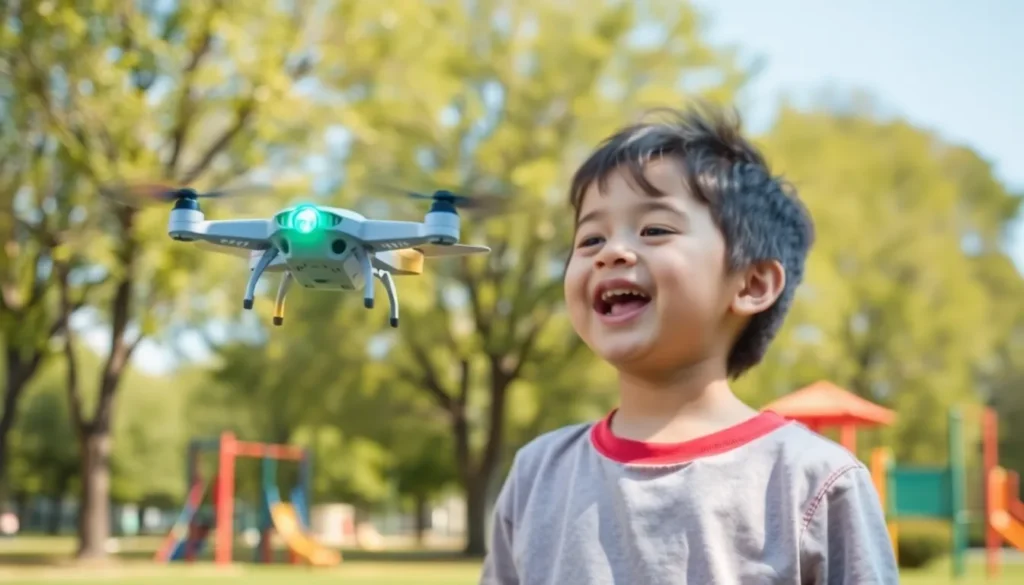
Toy drones provide numerous advantages, combining fun with educational value. These benefits enhance children’s play experiences and learning opportunities.
Enhancing Playtime
Toy drones elevate playtime by offering engaging outdoor activities. Kids experience thrill while flying drones, sparking creativity and imagination. Diverse features, such as LED lights and cameras, invite hours of interactive fun. Competitive aspects arise through racing drones, encouraging friendly rivalry among peers. Families appreciate how these toys foster shared experiences, bringing children and parents together in joyful activities.
Educational Benefits
Toy drones serve as effective educational tools, promoting crucial skills. Kids develop hand-eye coordination by practicing control and navigation. Spatial awareness improves through understanding drone movement and distance. Incorporating concepts of aerodynamics and physics during play facilitates learning in a fun environment. Collaboration emerges during group activities, teaching teamwork and communication. Parents recognize these advantages, as toy drones stimulate critical thinking and problem-solving, laying a foundation for future learning.
Types of Toy Drones
Toy drones come in various types, each designed to cater to different interests and skill levels. Understanding these categories helps children and parents choose the right model for their needs.
Mini Drones
Mini drones are compact and lightweight, typically designed for indoor use. With dimensions often measuring 4 to 6 inches, they fit comfortably in small spaces. Mini drones feature simple controls, making them ideal for novice pilots. Many models offer impressive flight times, usually around 6 to 10 minutes on a single charge. These drones often include colorful designs and user-friendly features like one-button takeoff and landing. Durability is a strong point for mini drones, as they handle minor crashes effectively, encouraging children to practice and improve their flying skills.
Camera Drones
Camera drones provide an exciting way for kids to explore aerial photography. Most camera drones include built-in cameras or mounts for smartphones, allowing children to capture breathtaking views from above. These drones typically have moderate flight times, ranging from 8 to 15 minutes, depending on the model and battery capacity. Camera drones often introduce basic filming concepts, helping kids understand framing and angles. Many models feature stabilization technology, which ensures smoother images and video capture. Parents appreciate that these drones promote artistic expression while engaging children in science and technology through hands-on learning experiences.
Safety Considerations
Toy drones can offer fun and educational experiences, but safety remains a top priority. Understanding age appropriateness and adhering to flight regulations ensures responsible flying.
Age Appropriateness
Choosing toy drones suitable for a child’s age enhances safety and enjoyment. Manufacturers typically provide age recommendations on packaging, ranging from 8 years and older for simple models to 14 years and older for more advanced UAVs. Younger children benefit from mini drones that prioritize ease of use and have lower speeds. Parental supervision is essential, as younger pilots might struggle with control. Selecting the right model ensures a positive experience while promoting safe flying habits.
Flight Regulations
Following local flight regulations safeguards children and the community. The Federal Aviation Administration (FAA) mandates that drones weighing over 0.55 pounds register and follow specific rules. Many areas prohibit flying near airports and populated regions to prevent accidents. Additionally, operators must maintain visual line of sight. Understanding and adhering to these regulations ensures responsible drone use, fostering a safer environment for everyone involved.
Choosing the Right Toy Drone
Selecting a toy drone involves evaluating several key aspects to ensure an enjoyable experience for children. Understanding essential features and budget considerations helps buyers make informed decisions.
Features to Look For
Look for user-friendly controls that cater to novice pilots. Assess battery life, aiming for models with flight times between 6 to 15 minutes. Consider drones with built-in cameras for photography or video recording, enhancing creativity and exploration. Check for stability features, such as altitude hold and obstacle avoidance technology. Colorful designs and LED lights add excitement and visibility during flight, making the drone more appealing to children.
Budget Considerations
Determine a budget range for purchasing a toy drone, as prices vary widely. Toy drones generally fall within $20 to $200, depending on features and brand reputation. Opt for entry-level drones at lower price points for beginners, focusing on durability and essential functions. Higher-priced models often include advanced features and improved performance. Factor in ongoing expenses, like replacement batteries and spare parts, to maintain the drone’s functionality over time.
Toy drones offer a unique blend of fun and learning for children. They encourage outdoor play while helping kids develop essential skills like hand-eye coordination and teamwork. With various models available parents can easily find a drone that matches their child’s interests and skill level.
As technology continues to evolve toy drones are becoming more advanced and engaging. They not only entertain but also inspire creativity and critical thinking. By choosing the right drone and ensuring safe flying practices kids can enjoy countless hours of exploration and excitement.
Ultimately toy drones represent an excellent investment in both entertainment and education for families looking to foster a love for technology and flight.