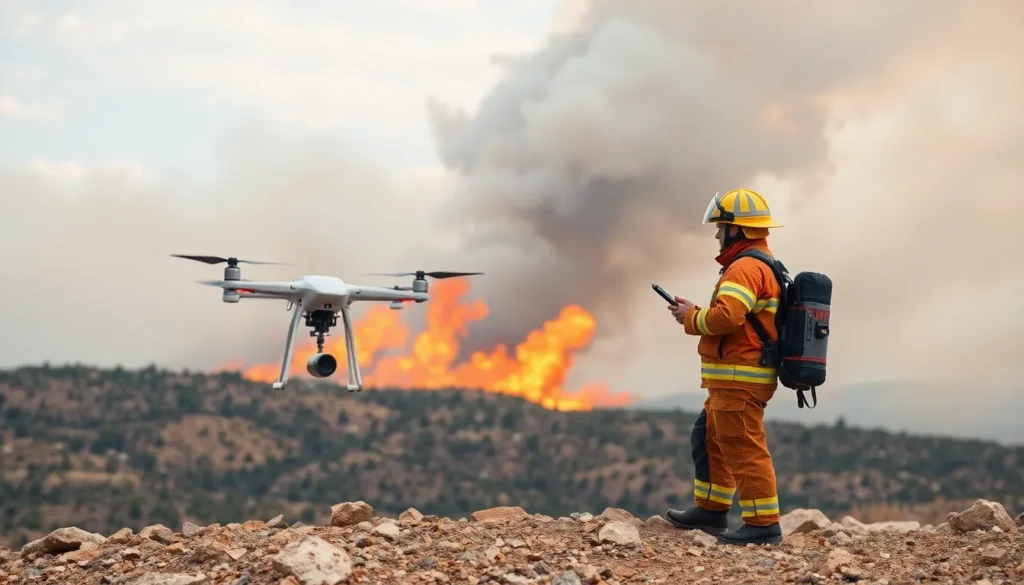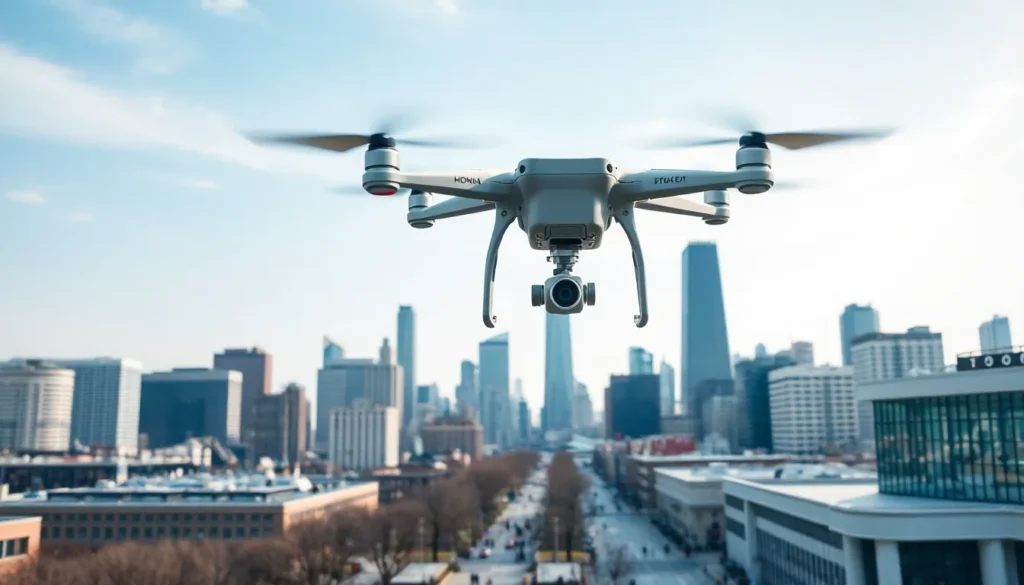
In a world where technology is evolving faster than a caffeinated squirrel, Congress drones are making headlines and raising eyebrows. These high-flying gadgets promise to revolutionize how lawmakers engage with their constituents, all while dodging the chaos of traffic and long security lines. Imagine a drone delivering a heartfelt message from your representative straight to your backyard—no more waiting in line at town halls!
Overview of Congress Drones
Congress drones represent a significant advancement in political communication technology. These unmanned aerial vehicles (UAVs) enable lawmakers to convey messages directly to constituents, minimizing barriers such as traffic and security delays.
Key Features of Congress Drones
- Direct Communication: Congress drones facilitate direct interaction by delivering messages, updates, and essential information efficiently.
- Enhanced Accessibility: Drones reach areas often overlooked by traditional communication channels, ensuring broader engagement with constituents.
- Real-Time Updates: Lawmakers can provide timely information during critical situations, ensuring constituents remain informed and involved in legislative matters.
- Cost Efficiency: Using drones reduces the costs associated with traditional mailing systems or town hall meetings, streamlining outreach efforts.
Applications of Congress Drones
- Message Delivery: Lawmakers utilize drones to deliver speeches, legislative summaries, or campaign materials directly to citizens.
- Surveys and Feedback: Drones can distribute surveys, collecting vital constituent feedback on policies and initiatives.
- Emergency Response: In crisis situations, drones can disseminate important information quickly, keeping communities informed and safe.
Regulatory Framework
- Safety Regulations: Congress drones must comply with Federal Aviation Administration (FAA) regulations to ensure safety and operational effectiveness.
- Privacy Concerns: Addressing privacy issues remains crucial as these drones collect and distribute personal data during interactions with constituents.
Congress drones enhance interactions between lawmakers and constituents, creating dynamic communication channels that adapt to modern needs. As technology evolves, these UAVs could redefine political engagement and accessibility in the legislative process.
Applications of Congress Drones
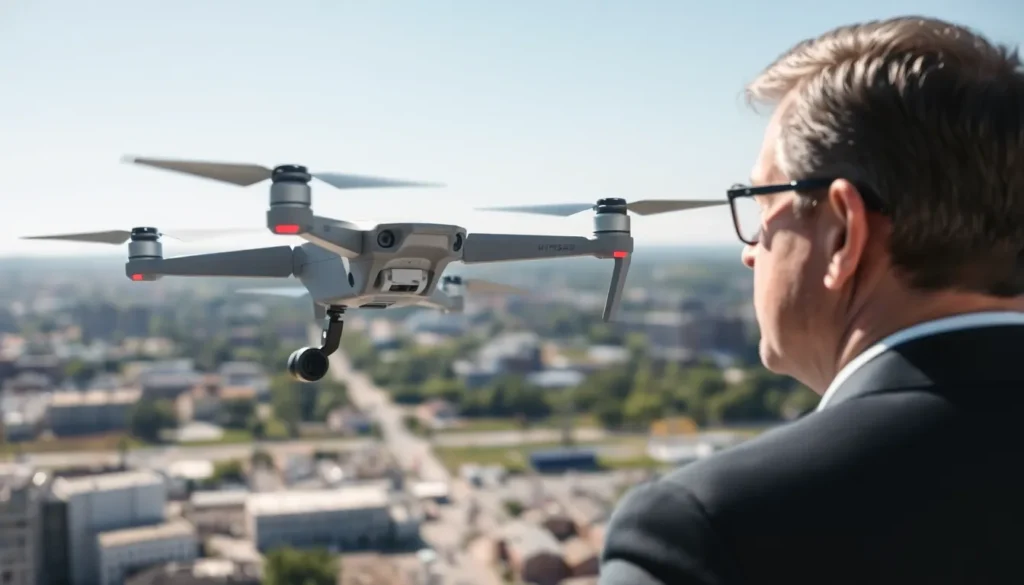
Congress drones have numerous applications that enhance efficiency and effectiveness in political engagement and public communication.
Surveillance and Monitoring
Congress drones facilitate surveillance and monitoring by providing lawmakers with real-time insights into their districts. Drones can capture high-resolution images and videos, enabling representatives to assess community developments, infrastructure conditions, and public events. Efficiently collecting data helps lawmakers make informed decisions regarding budget allocation and resource distribution. Additionally, drones can monitor environmental conditions, aiding legislators in crafting policies responsive to climate change and other urgent issues.
Disaster Response Assistance
Congress drones play a crucial role in disaster response assistance by delivering critical information quickly. During emergencies, these drones can assess damage, locate victims, and transport supplies to affected areas. Lawmakers can leverage this data to coordinate response efforts and allocate necessary resources effectively. Drones also provide real-time updates to communities, keeping citizens informed about safety measures and available assistance. The use of Congress drones in disaster situations enhances overall response capabilities and fosters quicker recovery for impacted populations.
Technological Advancements in Congress Drones
Congress drones utilize cutting-edge technologies to streamline communication between lawmakers and constituents, ensuring efficient information delivery and engagement.
AI and Automation
AI enhances Congress drones by enabling autonomous flight and optimized route planning. Drones equipped with AI can analyze geographic data, determining the most efficient paths for message delivery. Automation allows for real-time decision-making, adapting to changing weather or airspace conditions. As drones gather feedback, AI processes this data, helping lawmakers tailor their outreach efforts to better meet community needs. Integration of machine learning algorithms continuously improves performance, ensuring drones operate safely and effectively in various environments.
Enhanced Payload Capabilities
Enhanced payload capabilities expand the functional scope of Congress drones. These UAVs can carry heavier loads, enabling the delivery of larger campaign materials, essential supplies, or critical information during emergencies. Drones equipped with advanced technology can transport medical supplies or emergency kits to hard-to-reach areas quickly. Payload versatility ensures drones can serve multiple purposes, addressing diverse needs within districts. Increased payload capacity not only enhances engagement but also facilitates more efficient disaster response efforts, significantly improving community support during crises.
Challenges and Regulations Surrounding Congress Drones
Congress drones face several challenges and regulatory hurdles that impact their implementation and operation.
Privacy Concerns
Privacy concerns arise as Congress drones collect data during interactions with constituents. Drones may inadvertently capture private information, leading to potential misuse of sensitive data. Lawmakers must ensure that drones comply with data protection laws and regulations to protect individual privacy rights. Implementing strict data handling practices, such as anonymizing collected data and obtaining consent for data usage, can alleviate these concerns. Addressing privacy issues is crucial for maintaining public trust and encouraging acceptance of Congress drones.
Legislative Framework
The legislative framework governing Congress drones remains complex. Compliance with Federal Aviation Administration (FAA) regulations is essential to guarantee safe operation in shared airspace. Specific rules, such as registering drones and maintaining visual line-of-sight during flights, must be followed. Moreover, lawmakers must navigate existing laws on airspace use, local regulations, and public safety concerns. Collaboration with regulatory bodies can help create well-defined guidelines that facilitate the use of Congress drones while ensuring accountability and public safety.
Future of Congress Drones
Congress drones represent a transformative technology in political engagement, poised to evolve significantly in the coming years. Enhanced capabilities, such as advanced AI integration, will enable these drones to perform complex tasks autonomously. Predictive analytics can improve route optimization, ensuring efficient delivery to constituents while adapting to urban landscapes and adverse weather conditions.
Increased payload capacities will allow Congress drones to deliver larger materials, such as campaign merchandise and emergency supplies. This advancement enhances outreach capabilities, particularly during critical events. As drone technology advances, they’ll also facilitate more interactive experiences, such as live-streaming town halls directly to residents’ backyards.
Regulatory frameworks surrounding Congress drones will likely continue to adapt. Ongoing collaboration with the Federal Aviation Administration (FAA) will ensure regulatory compliance while addressing privacy concerns. Lawmakers must prioritize transparent data collection practices to foster public trust and mitigate potential misuse of sensitive information.
Public sentiment towards drones is expected to shift as awareness of their benefits increases. Enhanced engagement can occur through educational initiatives that highlight the drones’ role in providing timely, relevant information. Promoting community involvement in the development and utilization of Congress drones will ensure alignment with constituents’ needs and values.
Disaster response applications will also expand. Congress drones may evolve into critical assets for real-time assessments during natural disasters. The ability to deliver essential services quickly will improve resource allocation during crises, showcasing legislative responsiveness and commitment to citizen welfare.
Ultimately, the future of Congress drones appears promising, embodying the potential to revolutionize communication between lawmakers and constituents, enhancing engagement, efficiency, and accessibility in the democratic process.
Congress drones are poised to reshape the landscape of political communication. By facilitating direct engagement between lawmakers and their constituents, these innovative tools enhance accessibility and streamline outreach efforts. Their ability to deliver timely information during emergencies and assess community needs demonstrates their potential to improve public safety and legislative responsiveness.
As technology evolves and regulatory frameworks adapt, the future of Congress drones looks bright. Increased public awareness and acceptance will likely lead to broader applications, transforming how citizens interact with their representatives. Embracing this technology could redefine democratic engagement, making it more efficient and inclusive than ever before.