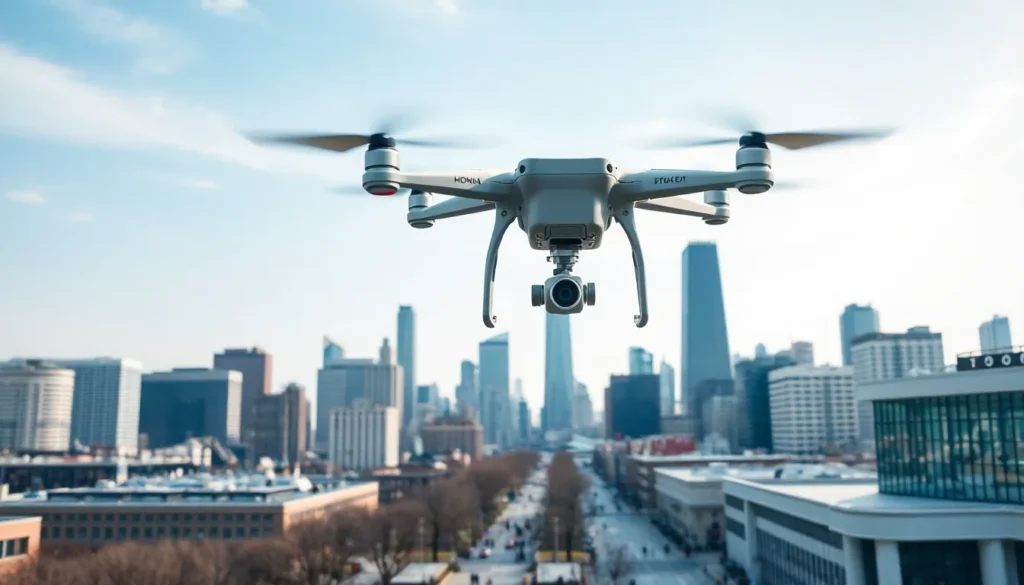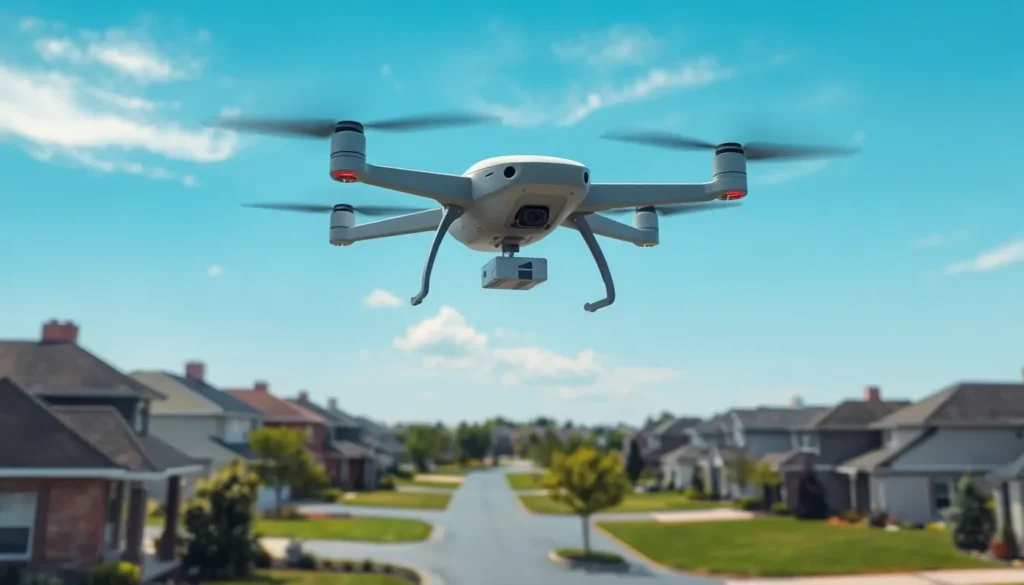
In a world where wildfires seem to pop up faster than a cat video goes viral, fire fighting drones have swooped in like the superheroes we didn’t know we needed. These high-tech marvels are transforming the way firefighters tackle blazes, offering a bird’s-eye view and precision that would make even the most seasoned firefighter do a double take. Imagine sending in a drone instead of a fire truck, all while keeping your favorite pair of boots clean and dry.
These drones aren’t just flashy gadgets; they’re packed with cutting-edge technology designed to save lives and property. Equipped with thermal imaging and water-dropping capabilities, these flying machines make for a formidable ally in the battle against flames. So buckle up as we explore how fire fighting drones are changing the game, one aerial swoop at a time.
Overview of Fire Fighting Drones
Fire fighting drones serve as pivotal assets in modern firefighting operations. Equipped with thermal imaging cameras, these drones detect heat sources and identify hotspots that are hard to see from the ground. Their aerial perspective allows for real-time assessment of wildfire spread, enabling better strategic planning.
Fire fighting drones also feature integrated water-dropping systems. Some models can release several gallons of water or fire retardant over targeted areas, directly fighting flames while minimizing water waste. These drones operate autonomously or can be remotely controlled, allowing firefighters to focus on high-risk zones.
Drone technology incorporates GPS and mapping systems, facilitating precise navigation and coordination with ground teams. Data collected from drone flights aids in creating detailed maps of fire progression, improving situational awareness for emergency responders.
Several manufacturers produce specialized fire fighting drones, including:
- DJI: Known for its advanced aerial imaging, DJI offers models like the Matrice 300 RTK tailored for firefighting tasks.
- Zipline: Primarily focused on logistics, Zipline’s drones deliver medical supplies, demonstrating versatility in rapid response applications.
- Phoenix Air: This company develops fire fighting drones that conduct aerial firefighting and provide surveillance during emergencies.
The integration of AI features into these drones enhances their capabilities. AI enables predictive analytics, improving firefighters’ ability to anticipate fire behavior based on historical data and environmental conditions.
Overall, fire fighting drones transform firefighting strategies by providing aerial support, crucial data, and innovative methods to combat wildfires effectively.
Advantages of Fire Fighting Drones
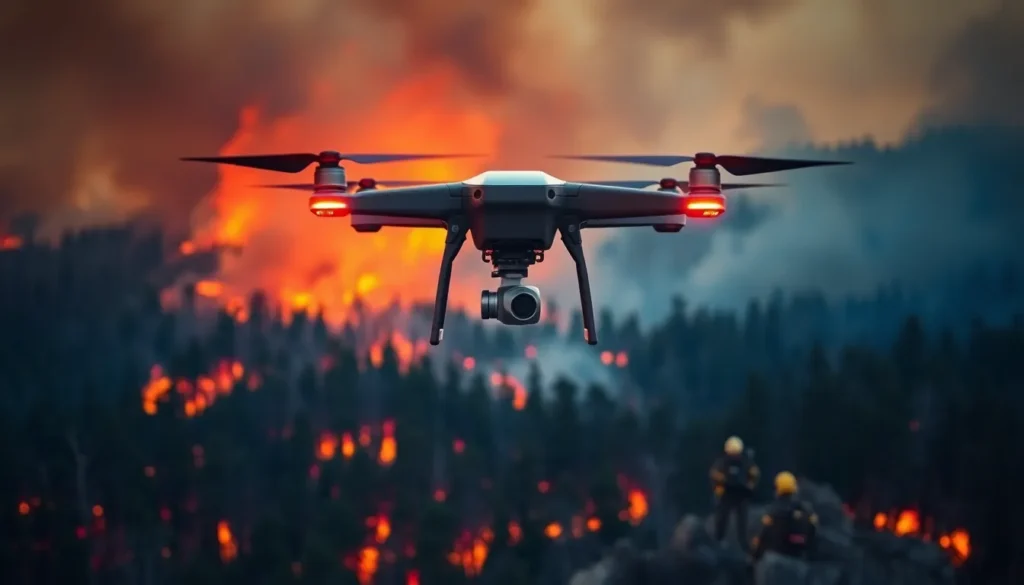
Fire fighting drones provide significant advantages in combatting wildfires, enhancing both operational efficiency and safety for personnel.
Enhanced Situational Awareness
Enhanced situational awareness is a key benefit of using fire fighting drones. Drones equipped with thermal imaging cameras offer real-time data about fire locations and hotspots, facilitating informed decision-making. Drones also provide aerial views of terrain and vegetation, which aids in identifying burn patterns and potential fire spread. This comprehensive data allows fire crews to strategize effectively, prioritizing high-risk areas and allocating resources more efficiently. Enhanced data collection improves safety, as personnel can avoid dangerous zones and focus on critical firefighting efforts.
Cost-Effective Solutions
Cost-effective solutions emerge with the deployment of fire fighting drones. Drones can reach affected areas quickly, reducing response times significantly. Lower operational costs arise from their ability to deliver precise water or fire retardant drops, minimizing resource waste. Traditional firefighting methods often require extensive manpower and equipment, while drones streamline operations with fewer personnel on-site. Additionally, the advanced technology used in these drones leads to savings through improved efficiency and reduced damage to property. Overall, utilizing fire fighting drones represents a budget-friendly approach to modern firefighting tactics.
Types of Fire Fighting Drones
Fire fighting drones generally fall into two main categories: fixed-wing drones and rotary-wing drones. Each type serves specific purposes in firefighting operations, with unique advantages tailored to various situations.
Fixed-Wing Drones
Fixed-wing drones excel in covering large areas quickly. Their aerodynamic design allows them to fly longer distances and maintain high speeds. These drones usually carry thermal imaging cameras for detecting hotspots and offer a broader aerial perspective. For instance, a fixed-wing drone can routinely inspect extensive forested regions to monitor fire activity or assess potential risks. Their ability to fly for extended periods reduces the frequency of recharging or refueling, making them ideal for ongoing surveillance during significant wildfire events.
Rotary-Wing Drones
Rotary-wing drones, commonly known as quadcopters, provide excellent maneuverability and flexibility. These drones can hover, ascend, and descend rapidly, enabling them to operate in confined spaces such as urban areas or dense forests. They typically carry payloads for water or fire retardant drops directly over flames. An example includes deploying rotary-wing drones to target specific hotspots quickly, improving firefighting efficiency in dynamic environments. Their real-time video feeds enhance situational awareness for ground crews, ensuring accurate decision-making during critical firefighting operations.
Applications of Fire Fighting Drones
Fire fighting drones play a vital role in various applications, particularly in wildfire management and urban fire response.
Wildfire Management
Fire fighting drones enhance wildfire management by providing aerial surveillance and data gathering. Drones equipped with thermal imaging detect hotspots, allowing teams to target resources effectively. Real-time monitoring of terrain and vegetation helps predict fire behavior and spread. Drones can cover extensive areas quickly, allowing for timely assessments and strategic planning. Integrating GPS mapping assists in pinpointing fire progression and coordinates with ground forces. These capabilities improve response times and resource allocation, ultimately saving lives and minimizing property damage.
Urban Fire Response
In urban environments, fire fighting drones facilitate rapid response to incidents. Drones assess the fire’s scale and location, delivering crucial information to first responders before they arrive on-site. Real-time aerial views allow firefighters to identify hotspots and potential hazards, optimizing their approach. Drones can assist in search-and-rescue operations by locating victims in hard-to-reach areas. Equipped with water-dropping systems, drones directly extinguish flames in urban settings, reducing the risk of fire spread to nearby structures. Their use streamlines urban firefighting efforts, enhancing safety for both responders and citizens.
Challenges in Fire Fighting Drone Implementation
Implementing fire fighting drones presents several challenges that can hinder their effectiveness.
- Regulatory Compliance: Drones must adhere to strict regulations set by aviation authorities. Navigating these regulations often complicates deployment, especially in urban areas where airspace management is crucial.
- Technical Reliability: Drones rely heavily on advanced technology, which can malfunction. Reliability issues can arise from hardware failures or adverse weather conditions, impacting operational safety and effectiveness.
- Limited Payload Capacity: Fire fighting drones have restrictions on payload sizes, affecting the amount of water or fire retardant they can carry. These limitations restrict the drones’ ability to combat larger fires effectively.
- Battery Life Constraints: Many drones operate on battery power, which restricts flight duration. Shorter battery life can limit operational time, necessitating frequent recharging or replacement during critical firefighting efforts.
- Data Overload: Advanced sensors generate extensive data streams. Managing and interpreting this data quickly can overwhelm ground teams, making it challenging to implement real-time strategies based on aerial surveillance.
- Public Perception: Concerns regarding privacy and safety often accompany drone usage. Building trust within communities where drones are deployed is vital to gaining public acceptance and cooperation.
Each of these challenges requires careful consideration and strategic planning to enhance the successful integration of fire fighting drones into existing firefighting operations. Addressing these hurdles will strengthen the overall effectiveness of drone technology in emergency response scenarios.
Fire fighting drones are transforming the way emergencies are handled in both wildland and urban settings. Their advanced technology not only enhances situational awareness but also streamlines operations, making firefighting more efficient and effective. As these drones continue to evolve, they promise to overcome existing challenges and further integrate into firefighting strategies.
The potential for improved safety for both responders and communities is significant. By leveraging data and aerial capabilities, fire fighting drones are set to play an even more critical role in protecting lives and property in the face of increasing fire threats. The future of firefighting is here, and it’s airborne.